
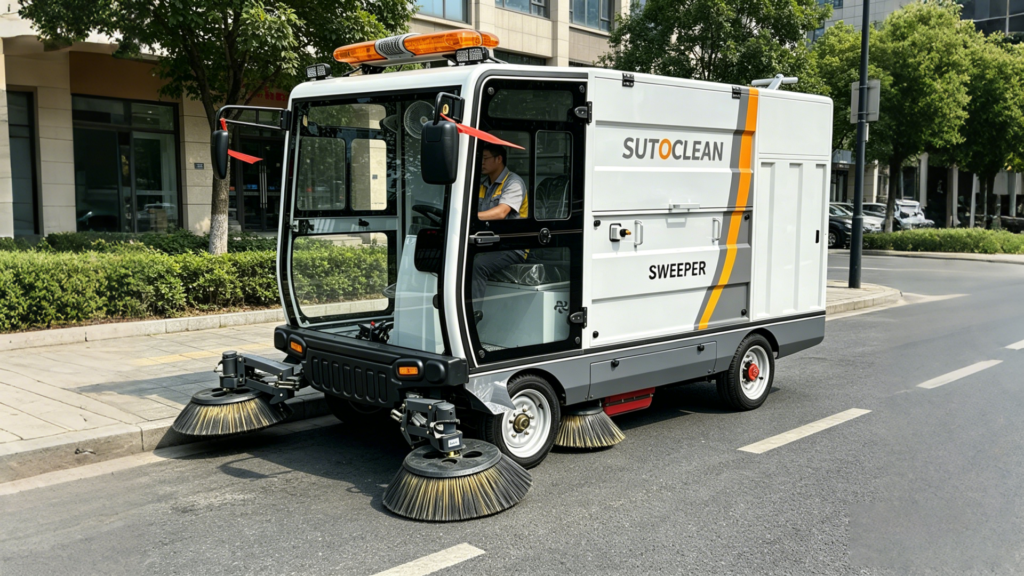
How to Choose a Floor Sweeper: The Complete Buying Guide
Keeping floors clean is essential for warehouses, factories, shopping centers, parking lots, and other commercial facilities. However, choosing the right floor sweeper can be challenging due to the wide range of models and specifications available.
In this guide, we’ll explain the key factors to consider when selecting a floor sweeper, helping you find the best machine for your cleaning needs.
Why Use a Floor Sweeper?
Compared with manual sweeping, a floor sweeper offers several advantages:
- Faster cleaning efficiency
- Reduced labor costs
- Better dust control
- Improved workplace safety
- Consistent cleaning results
Whether you’re cleaning a warehouse, factory, logistics center, or public space, a floor sweeper can significantly improve productivity.
Step 1: Evaluate Your Cleaning Area
The first factor to consider is the size of the area you need to clean.
Small Areas (Up to 3,000 m²)
For smaller facilities such as retail stores, workshops, and schools, a walk-behind floor sweeper is usually sufficient.
Benefits:
- Compact design
- Easy maneuverability
- Lower purchase cost
- Ideal for narrow aisles
Medium Areas (3,000–10,000 m²)
For warehouses, production facilities, and commercial buildings, larger walk-behind or compact ride-on sweepers provide better productivity.
Large Areas (Over 10,000 m²)
For airports, logistics centers, parking lots, and industrial facilities, a ride-on floor sweeper is typically the most efficient solution.
Benefits:
- Higher cleaning capacity
- Reduced operator fatigue
- Faster cleaning speed
- Increased productivity
Step 2: Consider Indoor or Outdoor Use
Different environments require different sweeping solutions.
Indoor Cleaning
For indoor applications, choose a sweeper with:
- Effective dust filtration systems
- Low noise levels
- Compact dimensions
- Non-marking tires
Typical indoor environments include:
- Warehouses
- Manufacturing plants
- Shopping malls
- Schools
- Exhibition halls
Outdoor Cleaning
Outdoor sweepers should feature:
- Larger debris collection capability
- Weather-resistant construction
- Strong climbing ability
- Powerful sweeping brushes
Typical outdoor applications include:
- Parking lots
- Sidewalks
- Industrial yards
- Logistics parks
Step 3: Identify the Type of Debris
Understanding the debris you need to collect is crucial.
Fine Dust
For environments with dust accumulation, select a machine equipped with:
- High-efficiency filter systems
- Dust suppression technology
- Vacuum-assisted sweeping
Leaves and Paper Waste
For parks, campuses, and outdoor areas, look for:
- Large hopper capacity
- Wide sweeping path
- Strong airflow system
Heavy Industrial Debris
For factories and warehouses, ensure the sweeper can handle:
- Metal shavings
- Wood chips
- Packaging materials
- Sand and gravel
Step 4: Choose Between Walk-Behind and Ride-On Sweepers
Walk-Behind Floor Sweeper
Best for:
- Small to medium facilities
- Narrow spaces
- Budget-conscious buyers
Advantages:
- Lower investment
- Easy storage
- Flexible operation
Ride-On Floor Sweeper
Best for:
- Large facilities
- Long cleaning shifts
- High productivity requirements
Advantages:
- Faster cleaning speed
- Larger hopper capacity
- Reduced labor costs
- Improved operator comfort
Step 5: Check Sweeping Width and Productivity
A wider cleaning path generally means higher productivity.
Typical guidelines:
| Sweeper Type | Cleaning Width | Productivity |
|---|---|---|
| Manual Sweeper | 500-700 mm | Up to 2,000 m²/h |
| Walk-Behind Sweeper | 700-1,200 mm | 3,000-6,000 m²/h |
| Ride-On Sweeper | 1,200-2,000 mm | 8,000-20,000+ m²/h |
Choose a machine that can clean your facility efficiently within your available cleaning time.
Step 6: Battery-Powered vs. Fuel-Powered
Battery-Powered Floor Sweepers
Advantages:
- Zero emissions
- Quiet operation
- Ideal for indoor environments
- Lower maintenance costs
Fuel-Powered Floor Sweepers
Advantages:
- Longer continuous operation
- Suitable for outdoor use
- Higher power output
The best choice depends on your application and operating environment.
Step 7: Evaluate Maintenance Requirements
A quality floor sweeper should be easy to maintain.
Look for features such as:
- Tool-free brush replacement
- Easy-access filters
- Simple hopper emptying
- Durable brush motors
- Reliable battery systems
Lower maintenance requirements help reduce total operating costs over the machine’s lifespan.
Step 8: Consider Total Cost of Ownership
The purchase price is only part of the investment.
You should also consider:
- Maintenance costs
- Battery replacement costs
- Spare parts availability
- Operator training
- Machine lifespan
A higher-quality sweeper often provides better long-term value through improved reliability and productivity.
Common Mistakes When Buying a Floor Sweeper
Avoid these common purchasing mistakes:
- Choosing a machine that is too small for the facility
- Ignoring dust filtration requirements
- Focusing only on purchase price
- Overlooking maintenance costs
- Selecting an indoor machine for outdoor use
Taking time to evaluate your requirements can prevent costly mistakes.
Final Thoughts
Choosing the right floor sweeper depends on your facility size, cleaning environment, debris type, and productivity requirements.
For small facilities, a walk-behind floor sweeper may be the most practical solution. For large warehouses, factories, and industrial sites, a ride-on floor sweeper can significantly improve cleaning efficiency while reducing labor costs.
Before making a purchase, assess your cleaning area, operating conditions, and long-term maintenance requirements to ensure you select the most suitable floor sweeper for your business.
Looking for a Professional Floor Sweeper?
Sutoclean offers a wide range of walk-behind and ride-on floor sweepers designed for commercial and industrial applications. Contact our team to find the ideal cleaning solution for your facility.